Compression Couplings: Connecting Pneumatic Conveying Pipework
In pneumatic conveying systems, every connection matters. Pipework must be joined securely to help maintain reliable material transfer, minimise air leakage and keep production running efficiently. Choosing the right coupling is therefore an important part of designing, maintaining and upgrading a conveying system.
At APT Systems we supply pipework and fittings for pneumatic conveying applications, including compression couplings designed to connect pipe sections and components together. Whether you’re building a new system, extending an existing conveying line or replacing worn components, selecting the right connection can help simplify assembly and support long-term reliability.
In this guide, we’ll explain how compression couplings work, the different factors to consider when selecting them, and why choosing the correct specification is important for your pipework.
What Is a Compression Coupling?
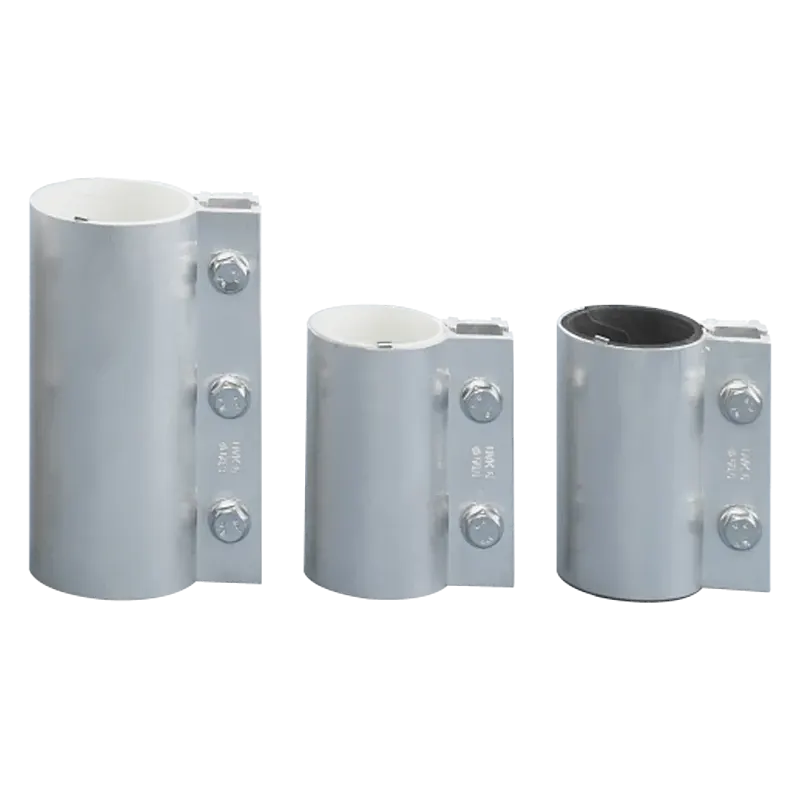
A compression coupling is a mechanical fitting used to join two sections of pipe or connect pipework to compatible components. In pneumatic conveying systems, it provides a practical way to assemble pipework while allowing sections to be disconnected when maintenance, inspection or modifications are required.
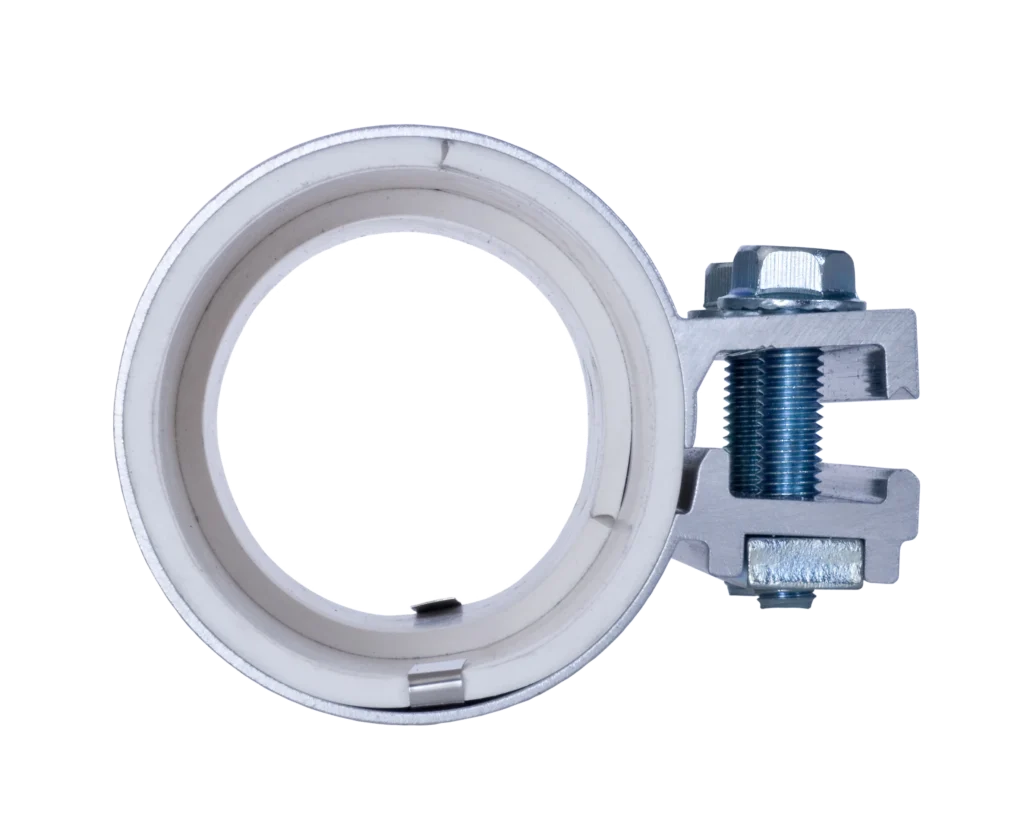
Unlike a permanent welded joint, a compression coupling typically uses a mechanical tightening arrangement to secure the pipe ends. Depending on its design, tightening the connection compresses internal components against the pipework to create a secure joint.
This makes compression couplings particularly useful in industrial conveying systems, where pipework may need to be rearranged, extended or maintained over time.
A suitable coupling can help provide several benefits:
- Secure pipe connections: Joins compatible pipe sections to create a complete conveying line.
- Simplified assembly: Allows pipework to be connected without welding every joint.
- Easier maintenance: Can make it more straightforward to disconnect sections when access is required.
- System flexibility: Supports changes to pipework layouts when production requirements evolve.
- Consistent installation: Using the correct fittings helps create repeatable connections throughout a system.
However, not every fitting is suitable for every application. Pipe diameter, material, operating conditions and the design of the connection must all be considered before selecting a coupling.
Why Compression Couplings Matter in Pneumatic Conveying
Pneumatic conveying systems transport powders, granules and other bulk materials through pipelines using moving air or gas. They are used across industries such as plastics processing, food production, milling, grain handling and manufacturing.
Although bends, tubes and branches often receive the most attention during system design, the connections between individual components are just as important.
A conveying line may contain long straight sections, large-radius bends, Y branches, T-pieces, reducers and other fittings. These components must be connected together to form a functional pipeline.
A poorly selected or incorrectly fitted coupling can introduce problems that affect the wider system.
- Maintaining reliable connections
Pipework connections need to remain secure under the operating conditions of the conveying system. Vibration, mechanical loads and changes in operating conditions can all influence connection performance.
Selecting a suitable coupling and following the manufacturer’s installation instructions helps ensure the joint is appropriate for the application.
- Helping control air leakage
Depending on the system design, unwanted air leakage can affect conveying performance and energy efficiency. Connections should therefore be selected and installed to provide the required sealing performance.
The correct coupling, compatible pipe dimensions and proper assembly all contribute to achieving a reliable connection.
- Supporting maintenance
Industrial conveying systems need maintenance, whether because of component wear, production changes or routine inspection.
A suitable coupling arrangement can make individual sections easier to remove and replace. This may reduce the work involved when accessing a particular bend, branch or section of tube.
- Making future modifications easier
Production requirements can change over time. A conveying line may need to be extended, rerouted or adapted to accommodate new equipment.
Mechanical connections can help provide flexibility when modifications are required, provided the selected fittings remain suitable for the revised system.
How Does a Compression Coupling Work?
The precise construction varies between manufacturers and product designs, but the basic principle is straightforward.
Two compatible pipe ends are positioned within the fitting according to the manufacturer’s instructions. The coupling is then tightened using its specified assembly method.
The tightening mechanism applies compression to the relevant components, helping secure the pipework and create the intended connection.
For a successful installation, several factors need to be considered.
Pipe outside diameter: The fitting must be compatible with the outside diameter of the pipe. Even relatively small dimensional differences can affect the connection.
Pipe alignment: The pipe ends need to be positioned correctly to prevent unnecessary strain or misalignment at the joint.
Correct tightening: The manufacturer’s specified tightening procedure must be followed. Under-tightening can compromise the connection, while excessive tightening may damage components.
Material compatibility: The coupling must be suitable for the pipe material and the operating environment.
Operating conditions: Pressure, temperature, vibration and the conveyed material can influence the suitability of the connection.
It is also important to distinguish between coupling designs. Different products can have different sealing arrangements, pressure ratings and assembly requirements. A fitting that works well in one application should not automatically be assumed suitable for another.
Choosing the Right Coupling for Your Pipework
Selecting a suitable coupling starts with understanding the requirements of the pipework and the system in which it will operate.
While it can be tempting to choose a fitting based on diameter and price alone, several other considerations can influence long-term performance.
- Check the pipe diameter
Compatibility with the pipe’s outside diameter is one of the first things to establish.
Pneumatic conveying systems can use a range of pipe diameters, depending on the material being conveyed, required throughput and system design.
Before ordering, confirm the pipe dimensions and ensure the coupling is designed for the specific pipework being used.
If you are replacing an existing fitting, checking the original specification can help, but it is worth confirming that the current pipe dimensions and connection requirements match.
- Consider the pipe material
The pipe material affects the selection of compatible fittings.
Stainless steel and aluminium are both used in pneumatic conveying pipework, with the appropriate choice depending on the application, system requirements and operating environment.
A coupling must be suitable for the pipe material and the way the connection is designed to work.
Material compatibility is particularly important when replacing individual components within an established system. A new fitting should work correctly with the existing pipework rather than simply matching its nominal diameter.
- Understand the operating conditions
The required performance of a coupling depends on the application.
Consider:
- Operating pressure and any relevant pressure fluctuations.
- Temperature conditions.
- Vibration and mechanical loading.
- The properties of the conveyed material.
- The surrounding environment.
- Any applicable hygiene or cleanliness requirements.
These details help establish which product specification is appropriate. Where the application has demanding operating conditions, the manufacturer’s technical information should be checked before a fitting is selected.
- Think about maintenance requirements
How frequently does the system need to be inspected or modified?
If sections of pipework need to be removed regularly, the connection method can affect how straightforward maintenance is.
A well-considered coupling arrangement can help maintenance teams access individual components without unnecessarily disturbing larger sections of the conveying line.
It is also worth considering the availability of replacement fittings, particularly where a production line relies on keeping critical components in stock.
- Check the complete connection
A coupling should not be specified in isolation from the rest of the pipework.
The pipe ends, mating components, sealing arrangement and installation method must all be compatible. If the system uses different pipe materials or connection types, confirm that the proposed fitting is suitable for the exact combination.
Checking these details before ordering can help avoid delays, incorrect deliveries and installation problems.
Compression Couplings and High-Pressure Applications
Not all pneumatic conveying systems operate under the same conditions. Depending on the process and system design, some applications require connections designed for higher operating pressures.
In these situations, it is particularly important to select a coupling with a suitable declared pressure rating.
A standard fitting should not be assumed suitable for a higher-pressure application simply because it fits the pipe.
Before selecting a product, check the manufacturer’s specifications for the intended operating pressure, temperature range and installation requirements. The complete assembly must be appropriate for the conditions in which it will be used.
At APT Systems, we can help customers identify the relevant pipework and connection requirements so that the correct product specification can be established before an order is placed.
Compression Couplings as Part of a Complete Pipework System
A pneumatic conveying system is made up of more than straight lengths of tube. The overall layout may include bends, branches, reducers, couplings and other fittings, each serving a specific purpose.
The performance of the system depends on how these components work together.
For example, large-radius bends can be important when designing conveying lines for abrasive or fragile materials. Branches allow the conveying route to divide or connect different sections of the system, while reducers accommodate changes in pipe diameter.
Compression couplings provide the connections needed to assemble compatible components into a complete line.
When specifying a new system or modifying an existing one, it is therefore worth considering the full range of pipework and fittings required rather than sourcing each item without reference to the wider design.
This can help ensure that the selected components are compatible and that the appropriate connection method is used throughout the installation.
Common Mistakes to Avoid When Selecting Compression Couplings
A few straightforward checks can help prevent common specification problems.
Assuming all couplings are interchangeable. Different designs may have different dimensions, sealing arrangements and pressure ratings. Always confirm compatibility.
Ordering by nominal diameter alone. Check the actual pipe outside diameter and the manufacturer’s compatibility information.
Overlooking operating pressure. A fitting that is suitable for one application may not be appropriate for another.
Ignoring the installation method. Correct tightening, pipe preparation and alignment can all influence connection performance.
Focusing only on the purchase price. The initial cost is important, but reliability, maintenance requirements and product suitability should also influence the decision.
Forgetting future requirements. If a conveying line may be expanded or modified, consider how the chosen connection arrangement will affect future maintenance and system changes.
Taking time to confirm these details before ordering can help avoid unnecessary complications later.
How APT Systems Can Help With Pipework and Couplings
At APT Systems, our pipework and fittings range supports customers working with pneumatic conveying systems.
We supply products including:
- Compression couplings.
- High-pressure compression couplings.
- Large-radius pipe bends.
- Straight tubes.
- Y branches and T-pieces.
- Reducers.
- Stainless steel pipework and associated fittings.
- Coupling stations.
We understand that selecting the right components is about more than finding a fitting that matches a particular diameter. The application, operating conditions and compatibility with the existing system all need to be considered.
Our team can work with customers to understand their requirements, assist with product selection, provide quotations and supply the relevant pipework and fittings.
Whether you are replacing a worn component, sourcing parts for a new conveying line or reviewing the requirements for a larger project, we can help you identify the products needed for your application.
Compression couplings are an important part of pneumatic conveying pipework, providing mechanical connections between compatible pipe sections and components.
Choosing the right product involves more than matching a diameter. Pipe material, operating pressure, temperature, sealing requirements and maintenance needs should all be considered when establishing the correct specification.
Getting these details right can help support reliable connections, simplify maintenance and make future pipework modifications more manageable.
If you are sourcing compression couplings or other pneumatic conveying fittings, APT Systems can help you identify the products required for your system.
Contact APT Systems to discuss your pipework requirements and find the right coupling for your application.