Anti-Static PTFE Hose: Why Static Dissipation Matters
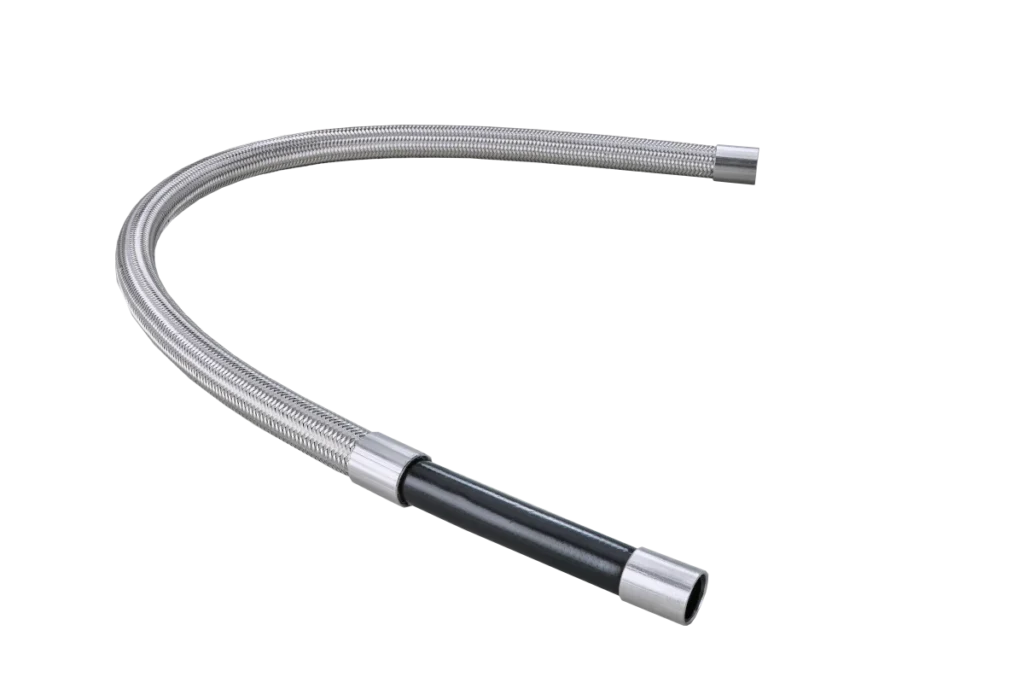
Static electricity can create serious risks when transferring fuel and chemicals. Discover how anti-static PTFE hose helps safely dissipate electrical charge and reduce the risk of pinhole damage and ignition.
How We Helped a Customer Extend Pipe Bend Life by 10x
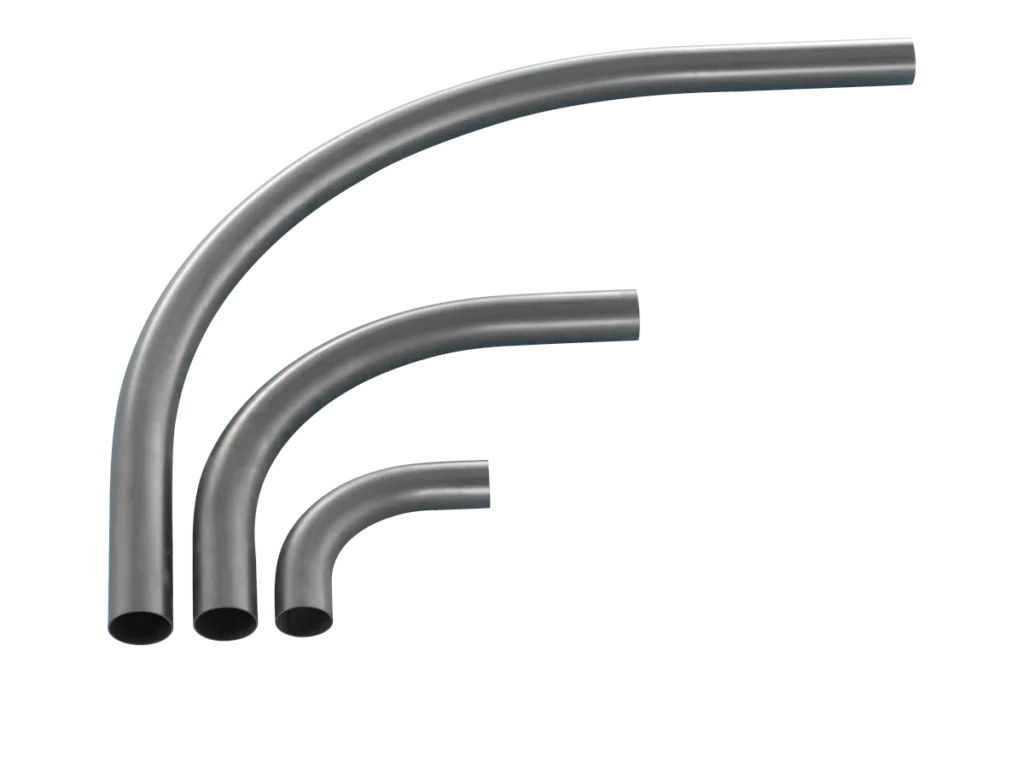
From monthly bend replacements to ten months and still going strong.
In pneumatic conveying systems, pipe bends are often among the first components to show signs of wear. As conveyed material changes direction, the bend can experience significantly more impact and abrasion than straight sections of pipe.
Platinum Silicone vs Peroxide Silicone
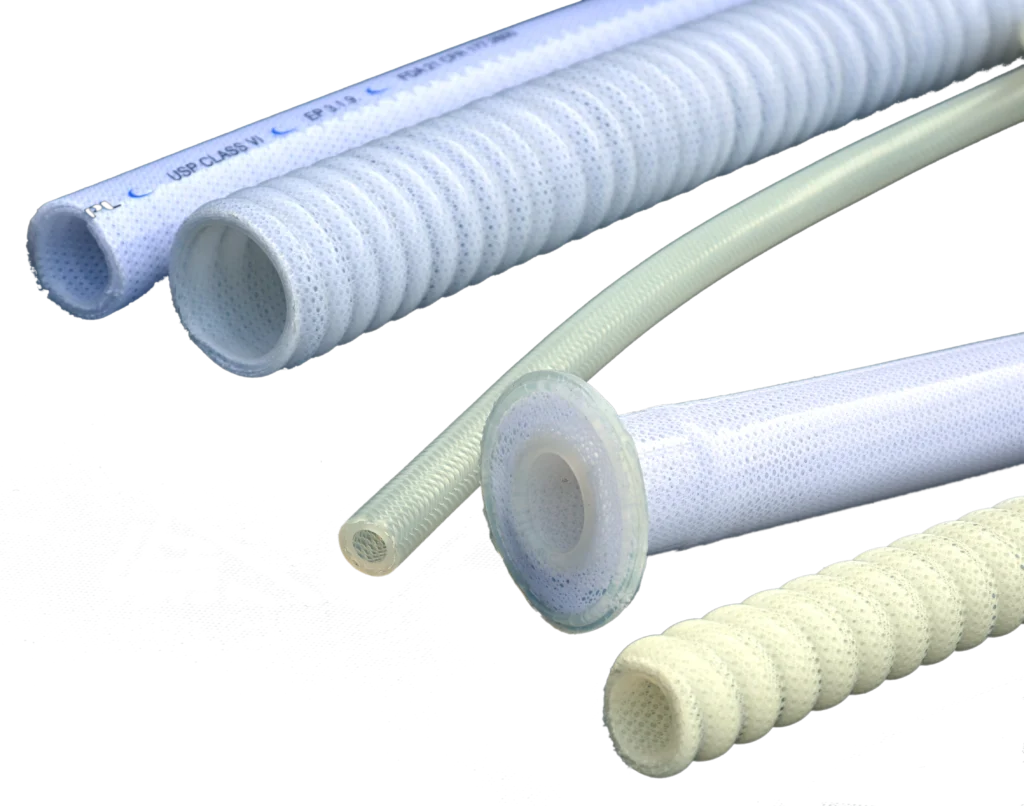
Discover the key differences between platinum-cured and peroxide-cured silicone for biopharma, pharmaceutical, food and beverage applications. Learn how curing technology affects purity, extractables, leachables, transparency and compliance.
Why PTFE Fuel Hose Is the Best Choice for E85 Fuel Systems
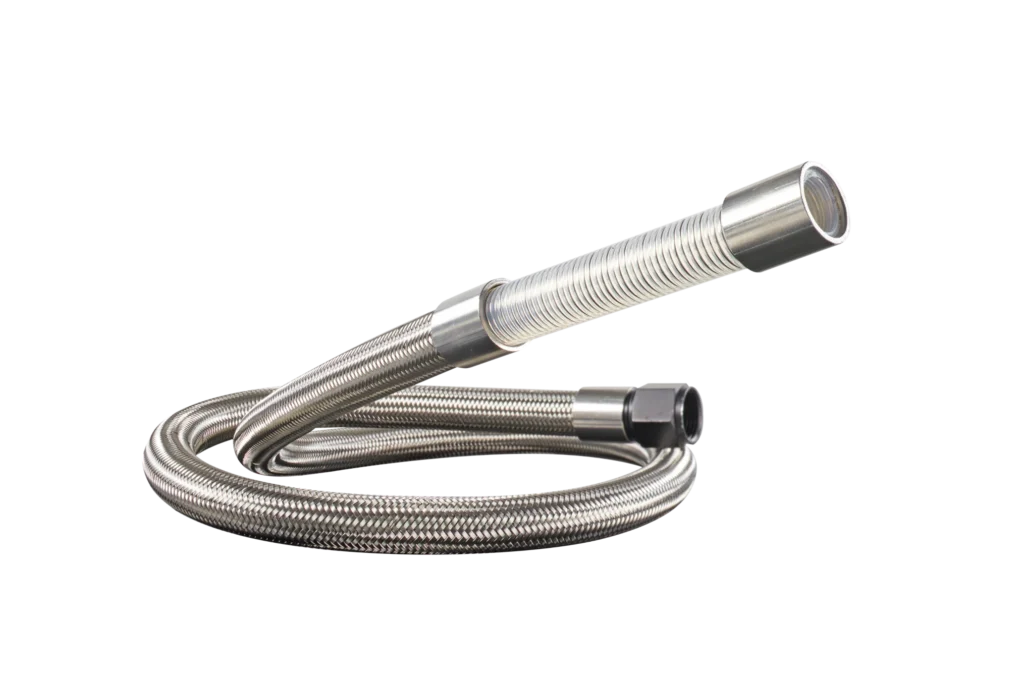
Is rubber fuel hose suitable for E85 fuel? Discover how PTFE fuel hose compares in terms of chemical resistance, temperature performance, durability and long-term reliability. Learn why PTFE is the preferred choice for E85, flex-fuel and high-performance automotive fuel systems.
Key Design Principles in Pneumatic Conveying Pipework: Bends, Velocity, Wear Points & Pressure Drop
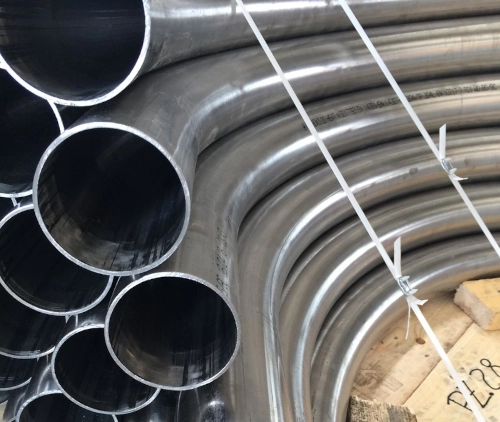
Stainless steel pipework failures rarely come from the pipe itself. This article explores common failure points in pressure systems, including bends, fittings, supports, pressure spikes, and poor routing and how to prevent them.
How Central Material Feed Systems Boost Production Efficiency

Bend radius plays a critical role in pneumatic conveying performance. From velocity changes and impact zones to accelerated wear rates, the wrong bend specification can increase maintenance, energy consumption, and downtime. Discover why large-radius bends improve efficiency, reduce erosion, and extend system lifespan.
Designing Integrated Cooling Systems for Automotive & Motorsport Applications

Stainless steel pipework failures rarely come from the pipe itself. This article explores common failure points in pressure systems, including bends, fittings, supports, pressure spikes, and poor routing and how to prevent them.
Why Bend Radius Matters More Than Most Engineers Think
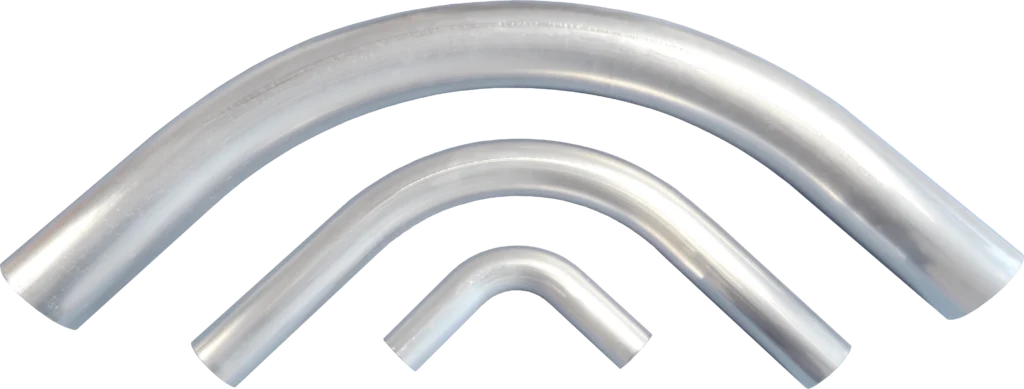
Bend radius plays a critical role in pneumatic conveying performance. From velocity changes and impact zones to accelerated wear rates, the wrong bend specification can increase maintenance, energy consumption, and downtime. Discover why large-radius bends improve efficiency, reduce erosion, and extend system lifespan.
Selecting the Right Pipe Material for Pneumatic Conveying: Stainless Steel, Aluminium or Glass
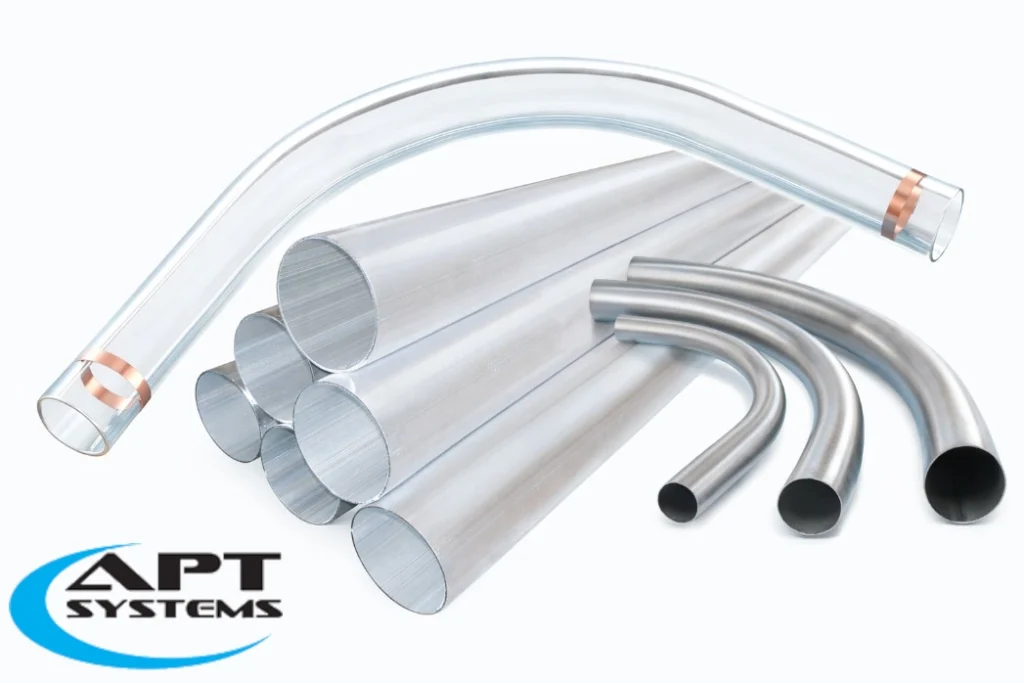
Stainless steel pipework failures rarely come from the pipe itself. This article explores common failure points in pressure systems, including bends, fittings, supports, pressure spikes, and poor routing and how to prevent them.
How Cooling System Failures Cause Costly Downtime in Automotive Applications
Cooling system failures are a major cause of costly downtime in automotive applications. This article explores how thermal cycling, vibration, connector failure, and tight packaging place extreme demands on cooling hoses, and how high-performance silicone and PTFE hose solutions can significantly improve reliability and uptime.